
Glass & Glazing
Glazing Technology & Trends
The latest in glazing science and glass performance — vacuum-insulated units, low-e coatings, smart glass, laminated and tempered systems, and the innovations reshaping how buildings let in light.
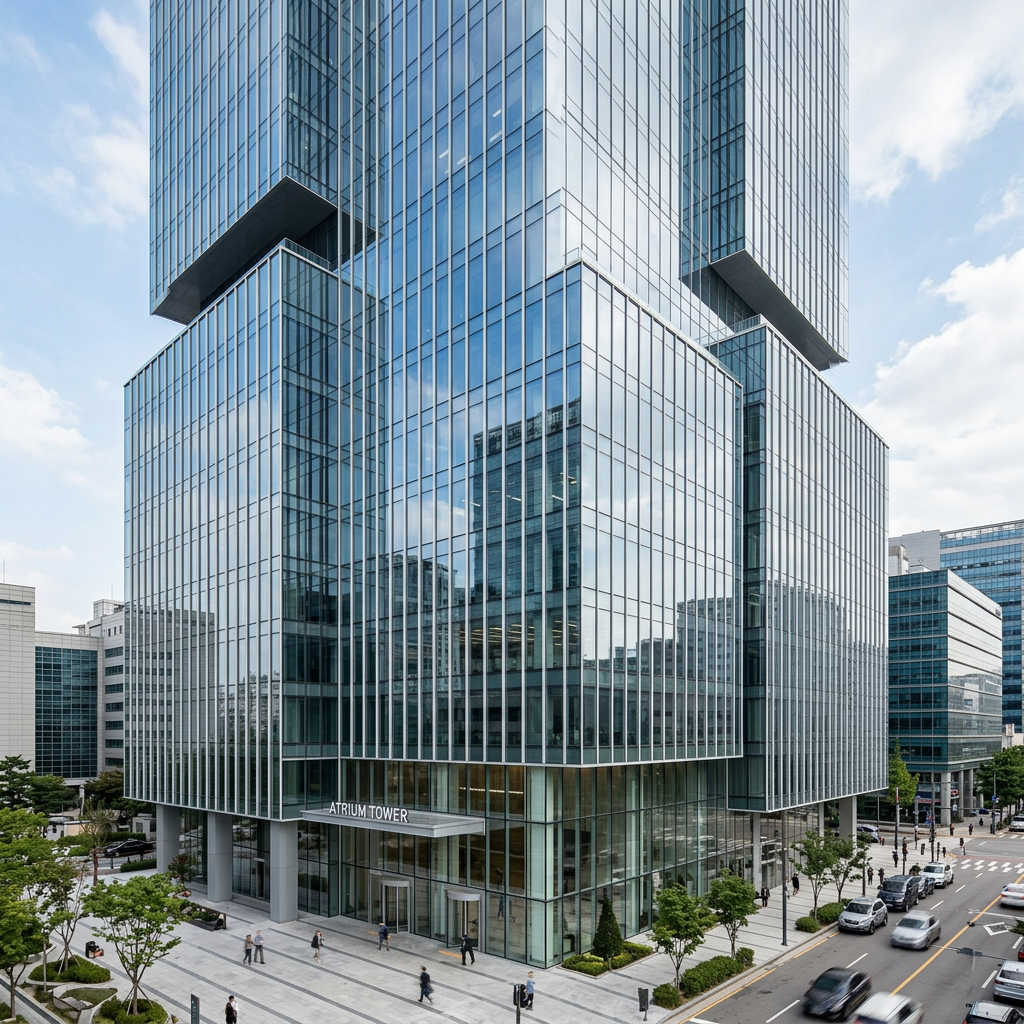
The Global Fenestration Market: Windows, Doors, Skylights & Façade Systems
The global fenestration industry is being reshaped by stricter building-energy requirements, renovation demand, thermal-performance improvements and growing interest in automated and intelligent building envelopes. Market values should be treated as estimates because research firms use different product definitions.
Read the Full OutlookK-Shaped Demand: The Divergence in 2026 Construction Markets
The construction sector is experiencing a distinct K-shaped recovery, with luxury and custom home projects driving demand while mass-market residential construction remains cautious. Builders are increasingly prioritizing large-format glass wall systems and resilient architectural products that offer high-end aesthetics. This trend suggests that while overall new construction expectations are soft, the premium segment continues to be a robust engine for growth.
Read More →The Digital Frontier: Advancing Glass Technology Through R&D
Technological investment in glass research is reaching new heights, with major facilities now boasting over 1,100 patents focused on high-performance glazing. The integration of digital modeling and advanced vacuum deposition technology is allowing for the creation of glass that is thinner, more insulated, and more responsive to environmental conditions. These technological leaps are providing the foundation for the next generation of smart, energy-efficient building envelopes.
Read More →Next-Generation Glass: Advancing Thermal Performance and Aesthetics
Architectural glass innovation is accelerating, with manufacturers like Vitro leading the charge in Magnetron Sputter Vacuum Deposition (MSVD) technology. New developments, such as champagne-toned low-e coatings and ultrathin vacuum-insulated glass, are enabling architects to achieve superior thermal performance without sacrificing visual clarity. These innovations are critical as the industry shifts toward thinner, more sustainable, and highly insulated glazing solutions.
Read More →Sustainability and Circularity in Architectural Metal
As the industry faces pressure to reduce its carbon footprint, the focus on the circularity of aluminum and steel has intensified. Architectural aluminum is increasingly valued for its ability to be recycled locally, supporting long-term sustainability goals for commercial and residential projects. Ethical manufacturing practices, including the use of environmentally responsible coatings and recycled materials, are becoming standard requirements for firms aiming to lead in the modern green building market.
Read More →Market Pulse: Strategic Differentiation Through High-Performance Fenestration
Industry analysts report that glass and hardware remain the most critical bottlenecks in the current supply chain, yet they also represent the greatest opportunities for differentiation. By leveraging advanced coatings, warm-edge spacers, and gas-fill retention, firms are successfully positioning themselves as solution providers rather than mere commodity suppliers. This strategic shift is essential for maintaining margins in a market where premium demand is outpacing mass-market volume.
Read More →Installers Navigate Complex Supply and Regulatory Landscapes
Window and door installers are facing a challenging environment characterized by fluctuating material costs and the need for specialized installation techniques for high-performance systems. With the introduction of new thermal curtain wall technologies and complex glazing units, installers must invest in advanced training to ensure proper performance and warranty compliance. Success in the current market requires a deep understanding of both the technical specifications of modern fenestration and the realities of supply chain delays.
Read More →Sustainability and Ethics in Modern Fenestration Manufacturing
Environmental responsibility is increasingly defining the ethical landscape of the fenestration industry. From the use of recycled steel to the implementation of environmentally responsible coatings, manufacturers are under pressure to prove the lifecycle sustainability of their products. Transparency in material sourcing and manufacturing processes is becoming a key competitive advantage for industry leaders.
Read More →Precision Hardware: The Unsung Hero of Luxury Door Systems
As architectural trends favor larger, heavier glass walls and bi-fold systems, the role of high-precision hardware has never been more critical. Manufacturers are focusing on tighter tolerances and advanced materials to ensure smooth operation for massive leaf spans. Reliable hardware is now the primary differentiator in the performance of high-end folding and sliding door systems.
Read More →High-Performance Glazing Trends Transform Architectural Envelopes
The glazing sector is witnessing a rapid shift toward high-performance, multi-layered glass build-ups that prioritize both thermal insulation and structural clarity. Innovations in Low-E coatings and triple-glazed systems are becoming standard requirements for luxury residential and commercial projects. As energy efficiency mandates tighten, the integration of advanced glazing technology is no longer optional but a fundamental component of modern building design.
Read More →Smart Glazing: The Future of Automotive and Architectural Integration
The evolution of glazing from a passive structural component to an active, intelligent system is accelerating. Recent summits have highlighted how smart glass, ADAS integration, and connectivity are transforming both automotive and architectural applications. As these technologies mature, the fenestration industry can expect a trickle-down effect of smart-glass innovations into high-end residential and commercial building envelopes.
Read More →New Glazing Safety Standards Impact Production Costs
Recent amendments to 16 CFR Part 1201 regarding architectural glazing materials are set to influence production costs across the industry. Manufacturers should anticipate a 10 to 15 percent increase in costs for certain Category II applications as compliance requirements evolve. Proactive evaluation of these code impacts is essential for projects currently in the planning stages for 2027.
Read More →Installers Face New Challenges with Complex, High-Performance Glazing
The increasing complexity of high-performance glazing systems, including triple-pane and heavy-duty steel profiles, is placing new demands on installation professionals. Proper handling and precision installation are now critical to maintaining the thermal and structural warranties of these premium products. Industry experts are calling for enhanced training programs to ensure that the performance promised by manufacturers is actually realized in the field.
Read More →Hardware Manufacturers Pivot to Smart Integration and Accessibility
Hardware suppliers are responding to the growing demand for aging-in-place and accessibility-focused fenestration by integrating automated, low-effort operation systems. As luxury projects demand cleaner, more minimalist aesthetics, hardware is becoming increasingly concealed or integrated directly into the frame profiles. This shift requires closer collaboration between hardware engineers and window fabricators to ensure seamless functionality without compromising the structural integrity of the unit.
Read More →Glass Technology Live: Innovations in Thermal Insulation and Sustainability
As the industry gathers at glasstec 2026, the focus has shifted toward next-generation glazing solutions that prioritize circularity and extreme thermal performance. Innovations such as ultrathin vacuum-insulated glass and advanced low-e coatings are redefining the role of the building envelope in climate-neutral architecture. Manufacturers are increasingly positioning glass as a strategic differentiator, moving beyond simple transparency to active energy management.
Read More →Hope’s Windows Unveils Evo300 Series for Enhanced Thermal Performance
Hope’s Windows, Inc. has introduced the Evo300 series, a new line of factory-glazed bronze and 316L stainless steel profiles designed to meet increasingly stringent U.S. building codes. By incorporating a thermal barrier capable of housing triple-pane insulating glass, the series addresses long-standing condensation and heat-transfer challenges in luxury steel fenestration. This innovation allows architects to maintain historic aesthetics while achieving modern energy efficiency standards.
Read More →AI and Digital Twins: The Future of Fenestration Design
Artificial Intelligence is beginning to transform the fenestration industry, from optimizing glass coating formulas to simulating building performance in digital twins. By leveraging AI, manufacturers can predict how specific window configurations will perform under various climate conditions, significantly reducing the time-to-market for new products. This digital transformation is enabling a more data-driven approach to design, ensuring that performance is optimized long before the first unit is manufactured.
Read More →Beyond Transparency: The Rise of Active and Adaptive Glazing
Product innovation in 2026 is moving beyond static glass toward adaptive systems that respond to environmental conditions in real-time. New developments in bird-safe UV patterns and post-occupancy thermal retrofits are providing architects with more tools to solve complex building performance issues. These innovations are not just aesthetic upgrades but are essential components in the next generation of high-efficiency, occupant-centric building design.
Read More →Global Fenestration Leaders Converge at glasstec 2026
The global fenestration community is meeting in Düsseldorf this week to address the urgent need for decarbonization and circular economy practices. International collaboration is at an all-time high as manufacturers share best practices for AI-driven design and sustainable manufacturing. The event highlights a unified global effort to align window and door production with the aggressive climate goals set by international regulatory bodies.
Read More →AI and Digital Transformation: The Future of Climate-Neutral Architecture
The integration of AI and digital technologies is becoming a central theme in the evolution of the glass and fenestration sector. Experts at upcoming industry forums are set to discuss how these tools can optimize building performance and facilitate the design of climate-neutral structures. From predictive maintenance to advanced thermal modeling, digital transformation is rapidly becoming the backbone of modern fenestration engineering.
Read More →Navigating the Transition to CPR 2024
As the industry transitions to the new Construction Product Regulations (CPR 2024), stakeholders are seeking clarity and guidance to ensure compliance. Organizations like Glass for Europe have launched dedicated resources to help manufacturers and suppliers navigate these regulatory shifts. Staying ahead of these requirements is essential for maintaining market access and ensuring that products meet the latest safety and performance benchmarks.
Read More →Beyond the Frame: The Rise of Multiaxial and Free-Form Glazing
New bending processes are enabling the creation of multiaxial, free-form glass geometries without the need for traditional molds, opening new frontiers for architectural design. These innovations allow for complex, undulating facades that were previously cost-prohibitive or technically impossible. As these technologies reach the market, they are providing architects with unprecedented freedom to push the boundaries of building envelopes.
Read More →Global Collaboration Drives Innovation Ahead of glasstec 2026
As the industry prepares for glasstec 2026 in Düsseldorf, global partnerships are accelerating the development of sustainable and circular glass technologies. Strategic collaborations, such as those between Şişecam and BGC, highlight a worldwide commitment to decarbonization and digital transformation. These international efforts are setting the stage for a new standard in climate-neutral architecture and high-performance fenestration.
Read More →2026 Industry Pulse: Navigating Supply Chain Stability and Strategic Differentiation
The latest industry pulse indicates that while material acquisition for aluminum, hardware, and glass has improved since 2024, it remains a significant operational hurdle. Manufacturers are increasingly viewing advanced glass technology as a strategic differentiator to remain competitive in a high-efficiency market. Collaboration and innovation are being cited as the primary tools for navigating the lingering economic challenges of the past year.
Read More →Labor-Saving Innovations: The Installer’s New Best Friend
With labor shortages continuing to challenge the industry, manufacturers are prioritizing installation-friendly product designs to reduce on-site time and complexity. New post-occupancy glazing solutions and modular systems are allowing installers to retrofit existing structures more efficiently. These innovations are critical for maintaining project timelines and profitability in an environment where skilled labor remains a scarce commodity.
Read More →AIA26 Reveals Shifting Priorities in Commercial Construction
Exhibitors at the recent AIA26 Expo report that sustainability and security are now the dual pillars of modern architectural design. While timber-aluminum hybrid facades are gaining traction for their aesthetic and thermal benefits, there is a parallel demand for high-performance glazing that protects against both environmental and physical threats. Builders are increasingly looking for multifunctional products that address these complex, often competing, project requirements.
Read More →Next-Gen Glazing: From LionGlass to Transparent Insulation
The glass industry is entering a new era of performance, with innovations like LionGlass and ultra-thin vacuum-insulated panels redefining architectural possibilities. Manufacturers are focusing on sustainability and circularity, with new research agreements aiming to scale these technologies for flat glass applications. These advancements are not only improving thermal performance but also enabling architects to design with thinner, more durable, and bird-safe glazing solutions.
Read More →Luxury Fenestration Evolves: Hope’s Windows Launches High-Performance Evo300 Series
Hope’s Windows has officially introduced its Evo300 series, featuring factory-glazed bronze and 316L stainless steel profiles designed to meet rigorous thermal performance standards. By integrating a thermal barrier capable of housing triple-pane insulating glass, the company is addressing the growing demand for condensation resistance in high-end residential and landmark projects. This launch underscores a broader industry shift toward balancing historic aesthetics with modern energy-efficiency requirements.
Read More →Digital Integration and Advanced Glazing Technologies
Technology is transforming the fenestration industry, from the use of advanced pyrolytic coatings to the integration of smart, post-occupancy glazing solutions. These technologies allow for real-time mitigation of glare and thermal discomfort, enhancing the occupant experience in modern buildings. As digital tools become more prevalent in design and manufacturing, the industry is moving toward a more data-driven approach to building envelope performance.
Read More →The Rise of Climate-Resilient Fenestration Solutions
Extreme weather events are driving a surge in demand for impact-rated and climate-resilient glazing systems. Manufacturers are upgrading product lines to handle larger wind loads and temperature extremes, with fire-resistant glazing becoming a critical specification in high-risk regions. These innovations are not just about safety; they represent a fundamental shift in how the industry approaches long-term building durability.
Read More →Prioritizing Sustainability and Ethical Sourcing in Glazing
As sustainability becomes a core requirement for modern building projects, the fenestration industry is under increased scrutiny regarding the ethical sourcing of materials and the environmental impact of manufacturing. From bird-friendly glass to low-carbon aluminum production, companies are being held to higher standards of transparency. Ethical leadership in this space is becoming a key differentiator for brands competing for institutional and commercial contracts.
Read More →Thin Glass Innovations Redefine Thermal Performance Standards
The glass industry is witnessing a surge in high-performance innovations, with ultrathin glazing solutions now achieving thermal metrics that rival traditional triple-pane systems. New products, such as those utilizing transparent insulation science, allow for profiles as thin as 8 to 12 millimeters, significantly reducing conductive heat transfer. These advancements are enabling architects to maximize glass area while meeting stringent energy codes in both new construction and retrofit applications.
Read More →Market Pulse: Aluminum Frames Lead Growth in $250B Global Sector
The global windows and doors market remains robust, with aluminum frames emerging as one of the fastest-growing segments, projected to see a 5–7% CAGR through 2030. This growth is fueled by a strong architectural preference for slim sightlines and large-format glazing. Despite economic headwinds, the demand for high-performance aluminum systems continues to outpace traditional materials in the luxury and commercial sectors.
Read More →Labor-Saving Innovations: The Key to Efficient Installation in 2026
Installers are increasingly seeking out products designed for rapid, labor-saving installation to combat the ongoing skilled labor shortage. Manufacturers are responding by refining frame profiles and glazing systems that simplify the onsite assembly process without compromising structural integrity. These innovations are essential for maintaining project timelines and reducing the total cost of ownership for building owners.
Read More →Next-Gen Glazing: Innovations in Low-E Coatings and Thermal Efficiency
Glass manufacturers are pushing the boundaries of performance with new, thinner, and more insulated glazing solutions hitting the market. Recent developments, such as Vitro Architectural Glass’s Solarban Champane, demonstrate a trend toward coatings that offer both aesthetic versatility and superior thermal control. These advancements are critical for architects seeking to balance the demand for expansive, panoramic views with increasingly stringent energy codes.
Read More →Market Pulse: Resilience Through Innovation in a Challenging Economy
Despite the headwinds of 2025, the fenestration industry has shown remarkable resilience in 2026 by leaning into innovation and strategic collaboration. Market data suggests that while volume growth may be tempered, the value-add segment—specifically high-performance, energy-efficient products—continues to see strong demand. Companies that prioritize R&D and adapt to the evolving needs of the luxury residential and commercial sectors are best positioned for long-term growth.
Read More →Streamlining Installation: New Click-Based Systems Gain Traction
Installers are increasingly turning to innovative, click-based installation systems to reduce labor time and improve precision on-site. As the industry faces a persistent skilled labor shortage, these time-saving technologies are becoming essential for maintaining project timelines and quality standards. Adopting these modern installation methods allows contractors to handle more complex glazing projects with smaller, more efficient teams.
Read More →Next-Gen Glazing: Vacuum Insulating Glass Hits the Mainstream
The glazing sector is undergoing a transformation as vacuum insulating glass (VIG) moves from niche applications to mainstream adoption. Innovations like triple-glazing-level thermal performance in ultra-thin profiles are enabling architects to achieve superior energy efficiency without compromising on building weight or sightlines. These advancements are particularly critical for the retrofit market, where preserving original aesthetics while upgrading thermal performance is a primary challenge.
Read More →Steel Fenestration Embraces Low-Carbon Coating Technologies
The steel window sector is making significant strides in sustainability, with major manufacturers now implementing low-E powder coating technologies to reduce energy consumption during production. This shift addresses the dual pressure of environmental regulations and the market's desire for eco-conscious building materials. As steel continues to be the gold standard for industrial-chic design, these manufacturing improvements are essential for maintaining its premium market position.
Read More →Digital Transformation and the Future of Fenestration Manufacturing
Technology is playing an increasingly central role in the manufacturing and specification of fenestration products. From advanced low-e coatings that reflect specific color tones to digital modeling tools that simulate thermal performance, technology is enabling greater precision. As the industry moves toward more automated production, the integration of digital design and manufacturing will be the key to scaling high-performance solutions efficiently.
Read More →Upholding Integrity in an Era of Rapid Industry Consolidation
As the fenestration industry consolidates, maintaining ethical standards in product certification and marketing claims is becoming a critical concern. With the rise of high-performance glazing, there is a temptation to overstate thermal or acoustic capabilities to win competitive bids. Industry leaders are calling for greater transparency and standardized reporting to ensure that the push for innovation does not come at the expense of consumer trust.
Read More →The Critical Role of Precision Installation in High-Performance Glazing
As fenestration systems become more complex, the role of the professional installer has never been more vital to ensuring the promised thermal and acoustic performance of a product. Installers are now required to possess deeper technical knowledge of thermal breaks, zero-threshold systems, and hurricane-proof assemblies. Proper installation is the final, non-negotiable link in the chain that determines whether a high-end project meets its energy-efficiency targets.
Read More →Builders Face Pressure to Adopt Net-Zero Fenestration Standards
Construction firms are under mounting pressure to integrate high-performance windows and doors that comply with updated energy efficiency standards. With building codes in California, the UK, and Australia tightening U-value requirements, builders must prioritize early-stage collaboration with glazing manufacturers. Failure to account for these performance metrics early in the design phase is increasingly leading to costly project delays and compliance hurdles.
Read More →